
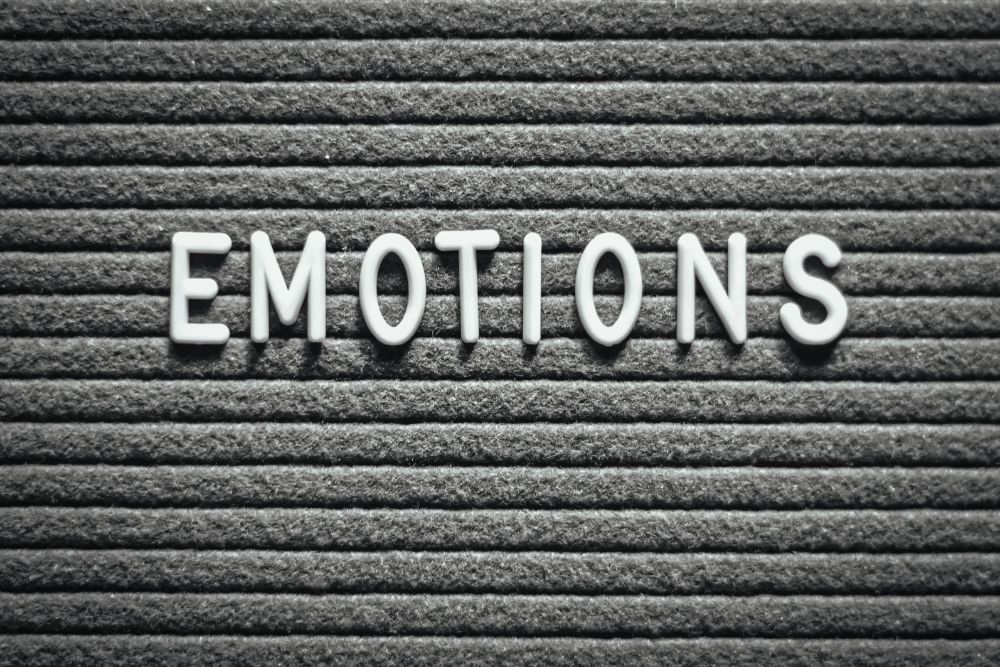
When people think about investing, they often picture stock markets, charts, economic forecasts, and investment managers sitting in front of multiple computer screens. In reality, investing has very little to do with numbers – it’s about emotion.
Over more than 35 years of advising families, business owners, professionals, and retirees, I have come to one simple conclusion:
The greatest threat to investment success is not the market; it is human emotion.
Markets have always risen and fallen and there have always been wars, recessions, political crises, pandemics, and financial scandals. Yet despite all this, markets have continued to reward patient investors over the long term.
The challenge is not whether markets will recover. The challenge is whether investors can remain calm enough to stay invested when everyone else is losing their nerve.
The Emotional Rollercoaster
Every investor begins their journey with optimism. The future looks exciting, plans are made, goals are established and dreams start to take shape. Then reality arrives.
Markets fall, headlines become frightening, television experts predict disaster and friends tell stories of money they have lost. Suddenly, confidence disappears and fear takes over.
The investment that felt sensible six months ago now feels dangerous. Nothing has changed except emotion, and emotion can be incredibly persuasive.
Fear tells us to sell, greed tells us to chase and panic tells us to act. Patience tells us to wait but the difficulty is that patience is usually the quietest voice in the room.
The Minefields Investors Face
Throughout every investment journey there are emotional minefields waiting to catch people out.
Minefield One: Fear
Fear is perhaps the most destructive investment emotion. Markets fall, values drop, news becomes negative and the natural instinct is to run.
Unfortunately, many investors end up selling after markets have already fallen. They lock in losses and miss the recovery that often follows. History repeatedly shows that some of the strongest market gains occur shortly after some of the worst declines.
The investors who survive are often not the smartest; they are simply the calmest.
Minefield Two: Greed
Greed tells us to pile in. When markets are booming, investors suddenly become convinced that risk no longer exists.
They chase hot funds, buy fashionable investments and ignore diversification. They become convinced that “this time is different.” It never is. Greed causes people to forget lessons they already know.
Minefield Three: Comparison
Comparison is one of the most overlooked dangers in investing. Someone tells you about a stock that doubled, a neighbour talks about a property investment or a friend claims incredible returns. Suddenly your own perfectly sensible strategy feels inadequate.
Comparison encourages investors to abandon successful plans in pursuit of someone else’s journey. The problem is that every investor has different goals, different circumstances, and different risk tolerances.
Why Investors Need Guides
When climbing a mountain, most people hire a guide. Not because they cannot walk, but because the guide has travelled the path before.
The same principle applies to investing. Our role at Hartey Wealth Management is not to predict the future – nobody can do that consistently. Our role is to help our clients navigate the emotional minefields that can derail even the best financial plans.
Sometimes the most valuable advice we provide is not telling someone what to buy. It is helping them avoid making an emotional decision at precisely the wrong moment.
Often, our greatest contribution comes during periods of uncertainty – when markets are falling, when confidence disappears and when fear dominates the headlines. That is when discipline matters most.
The Importance of Perspective
One of the most powerful tools in investing is perspective. Every market decline feels unique, every crisis feels unprecedented, every downturn feels permanent. Yet history tells a different story.
Markets have survived world wars, financial crashes, oil crises, terrorist attacks, global pandemics, political upheaval and countless other events that once appeared insurmountable.
The headlines change but human behaviour remains remarkably consistent. Those who maintain perspective often emerge stronger and those who react emotionally often create permanent damage to long-term plans.
Investing Is About More Than Money
Ultimately, investing is not about portfolios, benchmarks, or outperforming a market index. Investing is about life.
It’s about creating choices such as funding retirement, helping children, supporting grandchildren, protecting loved ones or leaving a legacy.
The portfolio is simply the vehicle; the destination is what truly matters.
The Value of Calm
In an increasingly noisy world, calm has become an investment advantage – the ability to ignore panic, focus on long-term goals, stay disciplined and trust a well-constructed plan.
These qualities often determine investment success far more than stock selection. The investors who achieve the best outcomes are rarely those who make the most decisions. They are usually those who make the fewest mistakes.
Final Thoughts
The emotion of investing is unavoidable. Fear will appear, greed will emerge, doubt will surface and confidence will fluctuate. The goal is not to eliminate emotion, it’s to stop emotion from controlling decisions.
At Hartey Wealth Management, we believe successful investing is not about predicting the next crisis, it’s about preparing for it. Not about timing markets but spending time in markets. Not about chasing perfection but maintaining discipline.
Because while markets can be unpredictable, human emotions are remarkably predictable. And helping clients navigate those emotions may be the most valuable investment service we provide.
“Investment success is rarely determined by what happens in the market. It is usually determined by what happens between your ears.” Karl Hartey